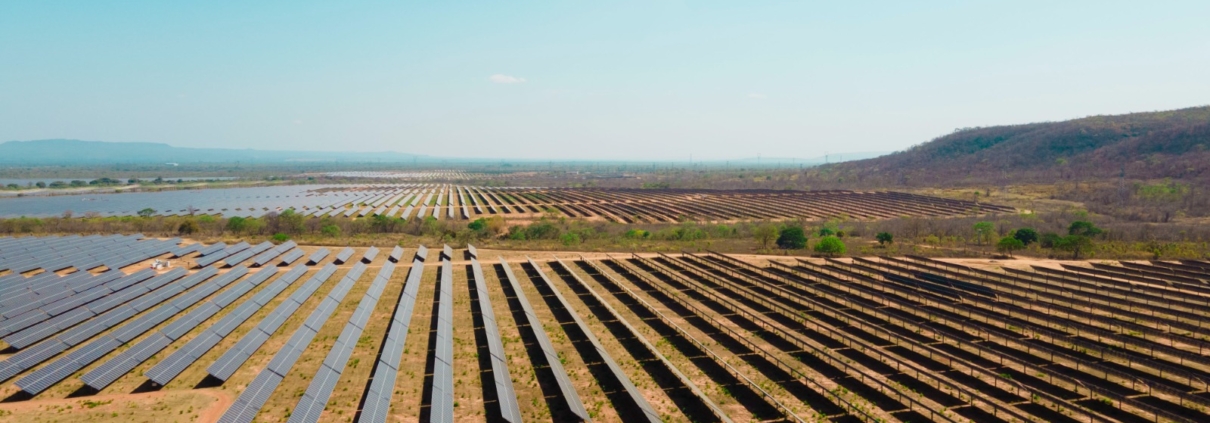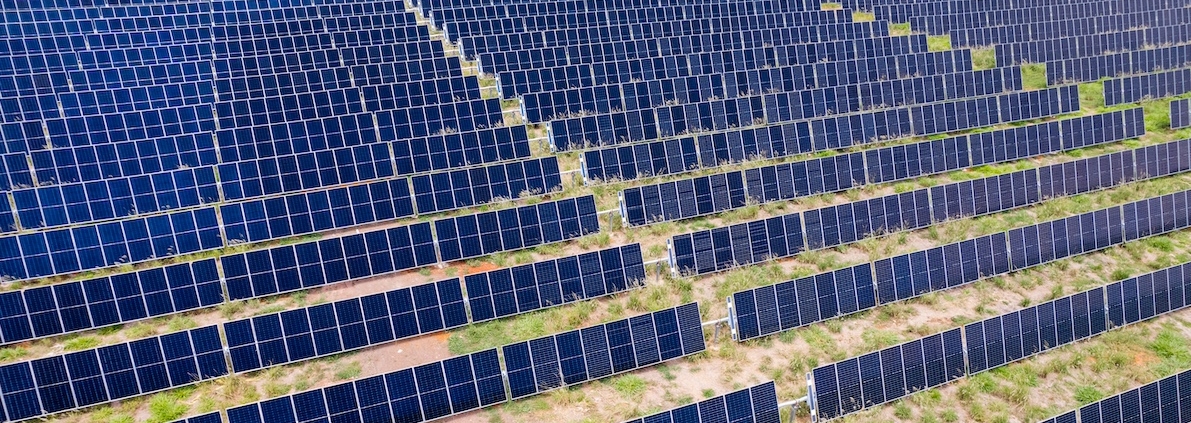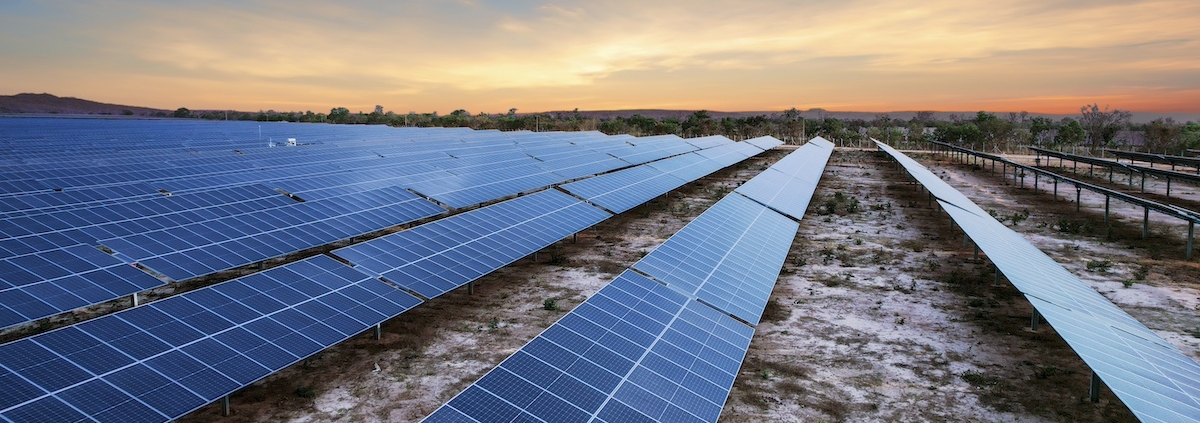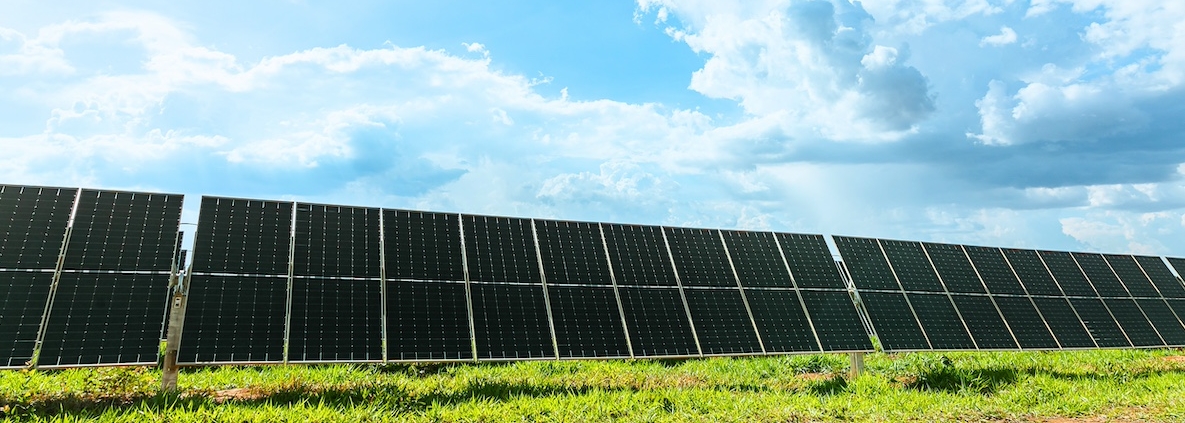

Latinoamérica ya genera cerca del 70% de su electricidad con fuentes renovables. Pero para sostener y superar ese nivel hacia 2030, necesita una infraestructura capaz de integrar energía limpia, redes modernas y almacenamiento de forma coordinada.

La transición energética en Latinoamérica avanza a paso firme.

Los números lo confirman: en 2024 la región instaló más de 23 GW de nueva capacidad renovable, y más del 80% de esa cifra provino de proyectos de energía solar fotovoltaica, según la Agencia Internacional de Energía Renovable (IRENA). Esta cifra representa uno de los mayores crecimientos anuales registrados en la región y la consolida como un actor clave en la expansión solar a nivel global.

El cambio está en marcha, pero para que tenga éxito a largo plazo hace falta más que sumar megavatios de fuentes renovables. El desafío ahora es construir la infraestructura capaz de sostener y aprovechar esta nueva ola de energía limpia.

Según datos de IRENA y del Banco Interamericano de Desarrollo (BID), para aprovechar plenamente el potencial de la generación renovable es fundamental realizar inversiones estratégicas en redes eléctricas, almacenamiento y modernización operativa. Sin estas inversiones la integración de energías renovables podría enfrentar importantes cuellos de botella que limitarían su capacidad efectiva y ralentizarían la transición energética.

Para evitar estas limitaciones y maximizar el uso de energías limpias, se estima que las inversiones globales en infraestructura energética deben aumentar significativamente, pasando de USD 1,77 billones en 2023 a un promedio anual de USD 4,8 billones entre 2024 y 2030, según la Agencia Internacional de Energía (AIE) y BloombergNEF.

Esto significa contar con redes eléctricas robustas e inteligentes, sistemas de almacenamiento a gran escala y soluciones innovadoras que aseguren un suministro estable y permitan un crecimiento sostenido de la matriz energética sobre bases sólidas.

Cada uno de estos componentes es vital: juntos forman la columna vertebral de una transición energética exitosa, garantizando que el crecimiento de las renovables se traduzca en energía limpia, confiable y accesible para la región.

Infraestructura: componentes que hacen posible la transición energética 

La transición energética requiere de seis elementos clave que trabajen en conjunto: redes eléctricas modernas, almacenamiento confiable, gestión digital, regulaciones claras con señales de inversión a largo plazo, cadenas de suministro sólidas y talento humano calificado.

Cada uno cumple un rol esencial. La red transporta, el almacenamiento estabiliza, la gestión digital optimiza, la regulación habilita, la cadena de suministro conecta y el talento ejecuta.

Explorar cómo funcionan —y por qué importan— permite entender qué hace posible una transición energética real y duradera en Latinoamérica.

Capacidad de red

  • ¿Por qué expandir la capacidad de red es clave para avanzar con más renovables?

La red eléctrica es el sistema circulatorio de toda transición energética. A medida que los proyectos de energía renovable crecen en escala y número, contar con una infraestructura capaz de trasladar esa energía hasta el consumidor final se vuelve una prioridad. Si la red no acompaña ese crecimiento, se limita el impacto de la inversión renovable.

En países como Brasil, la rápida expansión de la generación solar y eólica ha generado desafíos puntuales: en algunas zonas, las líneas de transmisión existentes operan cerca de su límite. Esto complica la conexión de nuevos proyectos, encarece los tiempos de desarrollo y reduce la eficiencia del sistema.

Colombia y Chile también han incrementado significativamente su gasto en redes en los últimos años, conscientes de que ampliar y modernizar esta infraestructura es un paso necesario para sostener el ritmo de adopción renovable.

En 2024, por ejemplo, la inversión global en redes se proyectó en USD 400 billones, según la Agencia Internacional de Energía. En Latinoamérica, ese crecimiento ya se siente. Desde 2021, la inversión regional casi se duplicó, con avances destacados en transmisión y distribución en los países líderes en energías limpias.

Además, soluciones behind-the-meter —como la instalación de generación y almacenamiento en sitio por parte de empresas o usuarios industriales— están ganando terreno como alternativa o complemento. Estas soluciones permiten reducir la presión sobre la red, acelerar la adopción de renovables y brindar mayor autonomía energética a sectores productivos clave.

  • ¿Qué tan preparada está Latinoamérica en tecnología de redes para una transición energética moderna?

Modernizar la red eléctrica no solo se trata de tender más cables; también implica dotarla de inteligencia. Las redes inteligentes, apoyadas en tecnologías de internet de las cosas (IoT), permiten integrar mejor fuentes intermitentes como la solar y la eólica, equilibrar la oferta y la demanda en tiempo real y responder con agilidad ante eventos inesperados.

Este tipo de redes se apoya en automatización, sensores, software de gestión y análisis de datos que permiten visualizar y operar el sistema eléctrico con precisión. ¿El resultado? Mayor eficiencia, menor vulnerabilidad y más control.

En Latinoamérica, todavía hay mucho margen de mejora. Según OLADE, las pérdidas eléctricas alcanzan el 15% de la oferta anual en la región. Reducir esa pérdida es una oportunidad para hacer más eficiente todo el sistema mediante la adopción de nuevas tecnologías.

Los medidores inteligentes y la gestión activa de cargas, por ejemplo, permiten detectar fugas de energía, sobrecargas o usos irregulares en tiempo real. Además, mejoran el aprovechamiento de la infraestructura instalada y ayudan a priorizar inversiones donde más se necesitan.

 Almacenamiento energético

  • ¿Por qué el almacenamiento energético marca la diferencia en la integración renovable?

Las fuentes renovables como el sol o el viento no están disponibles todo el tiempo. Por eso, el almacenamiento de energía se ha convertido en uno de los pilares técnicos más relevantes de la transición. Las baterías de ion-litio permiten guardar el excedente de generación durante las horas pico para liberarlo cuando baja la producción, estabilizando el sistema y garantizando continuidad.

El crecimiento del mercado global confirma la importancia que tiene este componente para la transición energética. En 2024 se instalaron 69 GW / 169 GWh de sistemas de almacenamiento en baterías (BESS), lo que representa un incremento interanual del 55%, según el informe anual de la Fundación Volta.

Solo en ese año, las nuevas instalaciones aportaron más del 45% de la capacidad acumulada global de almacenamiento energético. Hoy, el total acumulado alcanza los 160 GW / 363 GWh, y el 98% de esa capacidad corresponde a baterías de ion-litio.

Este crecimiento no solo responde a la necesidad técnica de estabilizar redes. También tiene un efecto económico: al permitir que las renovables operen de forma continua y predecible, el almacenamiento reduce su costo nivelado (LCOE) y acelera su adopción. Así, se genera un ciclo virtuoso: más almacenamiento hace más viables las renovables, y eso impulsa nuevas inversiones en tecnologías limpias.

Aunque la expansión está liderada por China y EE. UU., Latinoamérica también empieza a avanzar, aunque a menor ritmo. La penetración de BESS en la región es creciente, con Chile como líder y un aumento del 42% en instalaciones durante 2024, según un informe de Wood Mackenzie. Aun así, representa una fracción pequeña del total de capacidad energética, lo que evidencia un fuerte potencial de expansión hacia 2025 y más allá. Un ejemplo destacado es el proyecto BESS del Desierto, desarrollado por Atlas Renewable Energy en Chile: 200 MW de potencia y 800 MWh de capacidad, con un financiamiento de USD 289 millones. Este sistema es uno de los más grandes de Latinoamérica y muestra cómo el almacenamiento a gran escala permite capturar la energía del sol durante el día y usarla en la noche, dando continuidad y eficiencia a la energía renovable.

  • ¿Cómo contribuye el almacenamiento a la resiliencia del sistema eléctrico en Latinoamérica?

Más allá de la integración renovable, el almacenamiento fortalece la resiliencia energética frente a eventos climáticos extremos. En una región donde la generación hidroeléctrica tiene un peso estructural, la sequía es una amenaza directa al suministro.

Brasil lo vivió en 2021 con su peor sequía en un siglo, que redujo drásticamente la capacidad de sus embalses y desató una crisis energética. En 2024, Colombia también enfrentó niveles críticos en sus hidroeléctricas por la falta de lluvias. En escenarios así, contar con baterías permite cubrir déficits temporales y evitar racionamientos.

Además, el almacenamiento aporta seguridad frente a la volatilidad en la demanda. La energía de BESS del Desierto, por ejemplo, se utilizará para alimentar infraestructura de transporte eléctrico, lo que ayudará tanto a cubrir picos de consumo como a impulsar la descarbonización del sector movilidad en la región.

A medida que sectores como la industria y el transporte eléctrico aumentan su consumo, disponer de energía acumulada permite responder con rapidez y confiabilidad.

El reto ahora es cerrar una brecha de inversión significativa. Aunque la IEA proyectó que el mercado global superaría los USD 50.000 millones en inversión en almacenamiento en 2024, los países emergentes—incluyendo los de Latinoamérica— aún invierten muy poco: apenas un centavo por cada dólar que destinan las economías avanzadas.

Superar esa disparidad requiere políticas activas, incentivos financieros e innovación en modelos de negocio.

 Tecnología operativa

  • ¿Por qué los sistemas de gestión avanzados son esenciales para integrar más renovables?

A medida que las redes eléctricas incorporan una creciente cantidad de fuentes renovables distribuidas, la operación eficiente y segura del sistema depende cada vez más de una infraestructura tecnológica inteligente.

Los sistemas SCADA modernos, sensores inteligentes y algoritmos de inteligencia artificial permiten monitorear y ajustar la operación de la red segundo a segundo, anticipando variaciones en la generación y la demanda.

Según la Agencia Internacional de Energía (IEA), la digitalización de las redes eléctricas es esencial para integrar altos niveles de energías renovables y mantener la estabilidad del sistema.

Además, la flexibilidad operativa que brindan estas tecnologías permite responder con rapidez a eventos imprevistos, evitar sobrecargas y optimizar el uso de la infraestructura existente, aumentando la eficiencia general del sistema eléctrico.

  • ¿Cómo fortalece la infraestructura digital el rol de las empresas en la transición energética?

La digitalización es mucho más que eficiencia operativa. También se ha convertido en un componente estructural de la infraestructura energética moderna. Mediante sensores, software especializado y análisis de datos en tiempo real, permite gestionar la energía de forma más flexible, segura y descentralizada.

Los medidores inteligentes y los sistemas de gestión de demanda brindan a las empresas la capacidad de adaptar su consumo en función de la disponibilidad de renovables, reduciendo costos y aplanando picos de demanda. En sectores electrointensivos, esta capacidad es clave para mantener la competitividad sin comprometer la sostenibilidad.

Ya hay ejemplos en marcha en varios países de la región: tarifas dinámicas, programas de respuesta a la demanda y automatización de cargas están empezando a transformar la relación entre consumo y generación. Esta bidireccionalidad convierte a los grandes consumidores en actores activos del sistema eléctrico, capaces de contribuir con flexibilidad y estabilidad.

Además, la digitalización facilita el despliegue de tecnologías emergentes como microrredes en zonas industriales o flotas de vehículos eléctricos con capacidad de inyección a la red (vehicle-to-grid). Todo esto requiere plataformas digitales robustas, inversiones en infraestructura de datos y capacidades técnicas alineadas con esta nueva dinámica.

Empresas como Atlas Renewable Energy también están aprovechando la digitalización para optimizar sus proyectos. Desarrollos como Estepa, combinan hardware de última generación (como paneles bifaciales y almacenamiento) con sistemas inteligentes que permiten una gestión dinámica de la energía, mejorando la eficiencia operativa y facilitando la integración renovable en tiempo real.

Regulaciones

  • ¿Por qué las inversiones en renovables necesitan un marco regulatorio claro?

La transición energética solo avanza con reglas claras. Las inversiones en generación limpia, redes y almacenamiento —en gran parte provenientes del sector privado— dependen de permisos definidos, acceso transparente a la red, mecanismos de remuneración estables y lo más importante, regulaciones que den señales de inversión a largo plazo.

Contar con metas nacionales respaldadas por la ley da señales claras a largo plazo. Chile, por ejemplo, busca que el 70% de su matriz provenga de fuentes renovables al 2030 y alcanzar la neutralidad en carbono al 2050. Colombia apunta a reducir en un 51% sus emisiones de gases de efecto invernadero (GEI) al 2030 y ser neutral en carbono en 2050. Estos objetivos envían una señal directa a los inversionistas sobre la seriedad y el compromiso de ambos países.

Además, políticas concretas como subastas competitivas, tarifas de alimentación o contratos de compraventa de energía (PPA) han demostrado ser efectivas para dinamizar el mercado.

Las subastas públicas han permitido reducir el costo de la energía renovable gracias a la competencia, mientras que las tarifas de alimentación aseguran precios fijos que dan viabilidad financiera a proyectos pequeños o en zonas no interconectadas. Los PPA, por su parte, han facilitado el ingreso de grandes consumidores al mercado, reduciendo su exposición a la volatilidad de precios y favoreciendo inversiones de largo plazo.

Durante la última década, estos mecanismos ayudaron a bajar costos y atraer empresas en toda la región. Hoy, muchos mercados evolucionan hacia esquemas más flexibles —como contratos bilaterales— que también requieren marcos legales robustos.

Por ejemplo, en 2025 México aprobó una ley que limita a los generadores privados al 46% del mercado para fortalecer el papel del Estado. Al mismo tiempo, incluyó reglas más claras para dar estabilidad legal. Este tipo de reformas muestran cómo las leyes pueden influir en la confianza de las empresas y en la velocidad con la que avanza la transición energética.

Además, la hibridación, que combina generación solar con almacenamiento, lleva la infraestructura un paso más allá.

Proyectos como Estepa (Chile), que une 215 MW fotovoltaicos con 418 MW de almacenamiento para garantizar suministro continuo, o Draco (Brasil), un complejo solar que integra generación y conexión robusta a la red mediante subestación y línea de transmisión, son ejemplos clave de sistemas híbridos. Estas soluciones ofrecen energía renovable estable y continua.

 Cadena de suministro

  • ¿Por qué una cadena de suministro confiable es clave para acelerar la transición energética?

La transición energética necesita equipos listos, materiales disponibles y logística que funcione. Desde paneles solares hasta baterías o turbinas, todo depende de una cadena de suministro que responda con agilidad.

Los últimos años dejaron claro cuán vulnerable puede ser el sistema. La pandemia, los conflictos geopolíticos y la escasez de semiconductores generaron cuellos de botella, demoras e incrementos de costos en tecnologías limpias. A partir de 2023, parte de esa presión comenzó a ceder: los precios de los paneles solares bajaron cerca de un 30% y también retrocedieron los de minerales clave como el litio o el cobalto.

Sin embargo, persisten riesgos estructurales. Hoy, gran parte de la fabricación de tecnologías limpias está concentrada en pocas regiones. Asia domina la producción de paneles y baterías, y eso deja a otros mercados expuestos a interrupciones o tensiones comerciales.

Por eso, varios países están tomando medidas: buscan atraer fábricas y fortalecer la manufactura local para reducir la dependencia. Al mismo tiempo, expertos advierten que no se trata de romper cadenas globales, sino de diversificar fuentes y asegurar inventarios estratégicos. La resiliencia no es aislarse, es prepararse para responder rápido.

  • ¿Cómo fortalece la cadena de suministro regional la infraestructura para la transición energética?

Latinoamérica no es solo consumidora de tecnologías limpias. También puede ser proveedora clave de recursos, procesamiento y manufactura para la transición energética global.

Chile, Argentina y Perú concentran grandes reservas de litio y cobre, minerales críticos para baterías, motores eléctricos y redes. Brasil ya cuenta con ensambladoras de aerogeneradores y fabricantes solares, y México tiene la capacidad industrial para integrarse a las cadenas norteamericanas con vehículos eléctricos o paneles.

La región tiene la oportunidad de agregar valor y no solo exportar materias primas. Desarrollar industria local —procesamiento, fabricación de componentes, ensamblaje— puede reducir la dependencia externa, crear empleo y generar encadenamientos productivos que refuercen la infraestructura energética de forma integral.

Pero aprovechar ese rol requiere más que recursos. Hace falta infraestructura logística: puertos, rutas, talleres especializados, además de políticas que atraigan inversión industrial y acompañen el crecimiento con estándares técnicos y ambientales claros.

Por otra parte, Latinoamérica puede liderar en otro frente: el de la sostenibilidad de la cadena de suministro. La región tiene la posibilidad de posicionarse como un referente en minería responsable, con estándares sociales y ambientales sólidos, y avanzar hacia una economía circular que recicle baterías, paneles y otros equipos al final de su vida útil.

Talento humano

  • ¿Por qué el talento humano es un pilar estratégico en la transición energética?

La transición energética también depende de personas preparadas para implementarla. Sin instaladores, técnicos, ingenieros y operadores capacitados, no hay paneles ni turbinas que funcionen, ni redes que se gestionen.

Hoy ya existe una brecha de habilidades: faltan instaladores certificados, ingenieros con experiencia en energía renovable y personal técnico especializado. Esto frena proyectos y retrasa metas.

Pero también hay una gran oportunidad. Solo en 2023, los empleos en energías renovables crecieron 18% a nivel mundial, alcanzando los 16,2 millones, según IRENA.  Latinoamérica ya empieza a destacarse: Brasil, por ejemplo, suma más de 1,5 millones de empleos verdes.

Lo más importante es formar talento local. Hace falta capacitar técnicos en instalación solar, actualizar carreras universitarias con temas como redes inteligentes y baterías, y ofrecer opciones para que quienes vienen de otros sectores puedan reconvertirse.

  • ¿Cómo puede Latinoamérica cerrar la brecha de talento en energías limpias?

La región tiene el potencial humano, pero necesita mecanismos concretos de formación y capacitación. Hay que escalar esfuerzos, alinear a empresas, gobiernos y centros educativos, e invertir en programas que conecten a las personas con los nuevos empleos en la industria.

Un buen ejemplo es la iniciativa We Are Part of the Same Energy, impulsada por Atlas Renewable Energy, que ofrece capacitación técnica a comunidades locales, uniendo inclusión con desarrollo energético. Estos programas no solo enseñan, también generan empleo y fortalecen el orgullo en la comunidad.

También es clave abrir más espacios para mujeres en el sector y fomentar la formación continua, porque las tecnologías avanzan rápido y estar al día ya no es opcional.

La transición energética solo será justa y exitosa si viene acompañada de una transformación en el empleo. Contar con talento capacitado no es un valor agregado, es lo que garantiza que los parques solares operen, que las redes funcionen y que la región avance hacia un futuro energético sostenible.

Infraestructura con propósito: el motor detrás de la transición energética

La transición energética en Latinoamérica no depende solo de sumar capacidad renovable. También depende de construir una infraestructura sólida, integrada y con visión de largo plazo.

Redes modernas, almacenamiento confiable, sistemas digitales, marcos regulatorios estables, cadenas de suministro estratégicas y talento calificado no son piezas aisladas: forman un ecosistema que permite avanzar con resiliencia y propósito.

Colombia, México, Chile y Brasil ya muestran que es posible combinar recursos naturales con decisiones estratégicas. En este camino, actores como Atlas Renewable Energy aportan experiencia, innovación y colaboración directa con gobiernos y comunidades.

El reto está claro, también la oportunidad. Si se integran bien estos elementos, la región no solo avanzará en la transición energética, sino que lo hará con resiliencia, propósito y liderazgo.


En Atlas Renewable Energy contamos con un canal de WhatsApp listo para ayudarte. A través de él, puedes obtener respuestas rápidas a tus preguntas. ¡Contáctanos y descubre lo fácil que es conectar con nosotros!


Este artículo fue creado en colaboración con Castleberry Media. En Castleberry Media, estamos dedicados a la sostenibilidad ambiental. Al comprar certificados de carbono para la plantación de árboles, combatimos activamente la deforestación y compensamos nuestras emisiones de CO₂ tres veces más.
La demanda eléctrica para los centros de datos redefine prioridades de inversión: el acceso a una energía renovable, competitiva y escalable ya no es una ventaja, sino una condición para operar en México.

Actualmente México es el segundo mercado más importante de centros de datos de Latinoamérica, detrás de Brasil, con una capacidad operativa instalada de 350 MW y una cartera de proyectos que podría llevar esa cifra a 704 MW en los próximos años.

El crecimiento del sector se debe al nearshoring digital, las tecnologías emergentes y una mayor demanda de almacenamiento. La  Asociación Mexicana de Data Centers estima que para 2029 los centros de datos representarán el 5,2 % del PIB mexicano (USD 73.536 millones), incluyendo efectos multiplicadores en telecomunicaciones, servicios cloud, empleo especializado y modernización tecnológica. 

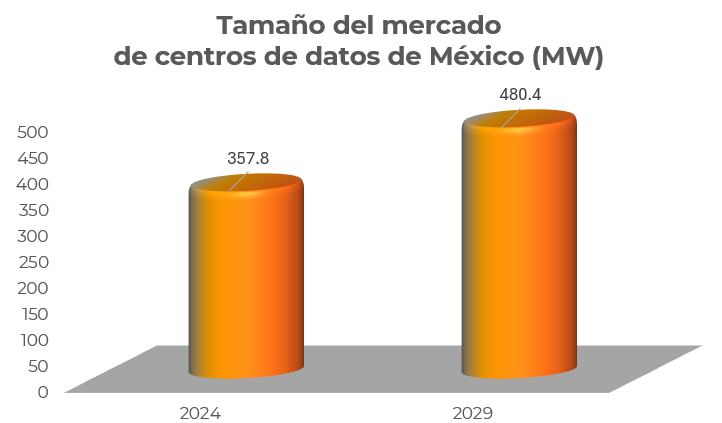
De acuerdo con Research and Markets, la inversión en centros de datos en México pasará de USD 1.060 millones en 2024 a USD 2.270 millones en 2030, con una tasa de crecimiento anual compuesta (CAGR) del 13,53 %​, aunque hay previsiones aún más optimistas. Según un análisis de Mordor Intelligence, el tamaño del mercado de centros de datos en México rondó los 357,8 MW en 2024, generando una inversión de USD 4.590,2 millones, y se espera que alcance los 480,4 MW en 2029 (una CAGR del 6,07 %), creciendo un 7,71 % en inversiones, llegando así a los USD 6.655,9 millones para ese año.

Source: https://www.mordorintelligence.com/es/industry-reports/mexico-data-center-market

Gran parte de esta capacidad se concentra en Querétaro, que hoy representa dos tercios de la infraestructura nacional, con 230 MW de capacidad operativa. Factores como su bajo riesgo sísmico, conectividad de fibra óptica y estabilidad política lo han consolidado como el hub principal del país.

La llegada de Amazon Web Services, que invertirá USD 5.000 millones, se suma a operadores ya establecidos como KIO Networks, Microsoft, Oracle y Google. Además, el gobierno estatal ha destinado USD 300 millones a fortalecer su red eléctrica.

A la par, otros puntos del país también se están desarrollando. Monterrey, por ejemplo, combina infraestructura industrial, cercanía a EE.UU. y talento técnico, atrayendo operadores como Equinix. A esta corriente también se perfilan polos emergentes en Guadalajara y el Bajío, apoyados por eventos especializados como el Summit Data Center 2024

La Asociación Mexicana de Data Centers estima que 18 nuevos proyectos atraerán USD 8.500 millones en inversiones en los próximos 10 años. Sin embargo, este auge tiene un gran desafío: el suministro energético. Los centros de datos son altamente intensivos en consumo energético. De no contar con fuentes confiables, continuas y asequibles, su expansión puede verse comprometida. Aquí, las energías renovables emergen como aliadas estratégicas para sostener este crecimiento.

Centros de datos e intensidad energética: ¿Quién alimentará el crecimiento?

En efecto, los centros de datos enfrentan un dilema que podría definir el futuro digital: mientras su consumo energético crece exponencialmente, la disponibilidad de fuentes limpias y sostenibles aún no alcanza el ritmo requerido. Esta brecha energética se está convirtiendo en el cuello de botella más crítico para la expansión del sector.

En 2024, el consumo global de estas instalaciones alcanzó los 415 TWh, es decir, el 1,5 % de toda la demanda mundial. Pero se espera que esa cifra aumente drásticamente para 2030, superando los 945 TWh (cifra ligeramente superior al consumo eléctrico total actual de Japón), según estimaciones de la Agencia Internacional de Energía (IEA, en inglés)​.

Este incremento, impulsado por la expansión de la inteligencia artificial, la computación en la nube, el almacenamiento de datos en dispositivos conectados y la automatización industrial, está elevando significativamente la demanda energética de estas instalaciones. Esa energía, idealmente, debe provenir de fuentes renovables, no solo para reducir los costos operativos a largo plazo, sino también por su mínimo impacto ambiental en comparación con las fuentes fósiles tradicionales.

La IEA indica que, actualmente, el 27 % de la electricidad consumida por centros de datos proviene de fuentes renovables, particularmente solar y eólica, y se espera que esa proporción alcance el 50 % en 2030.

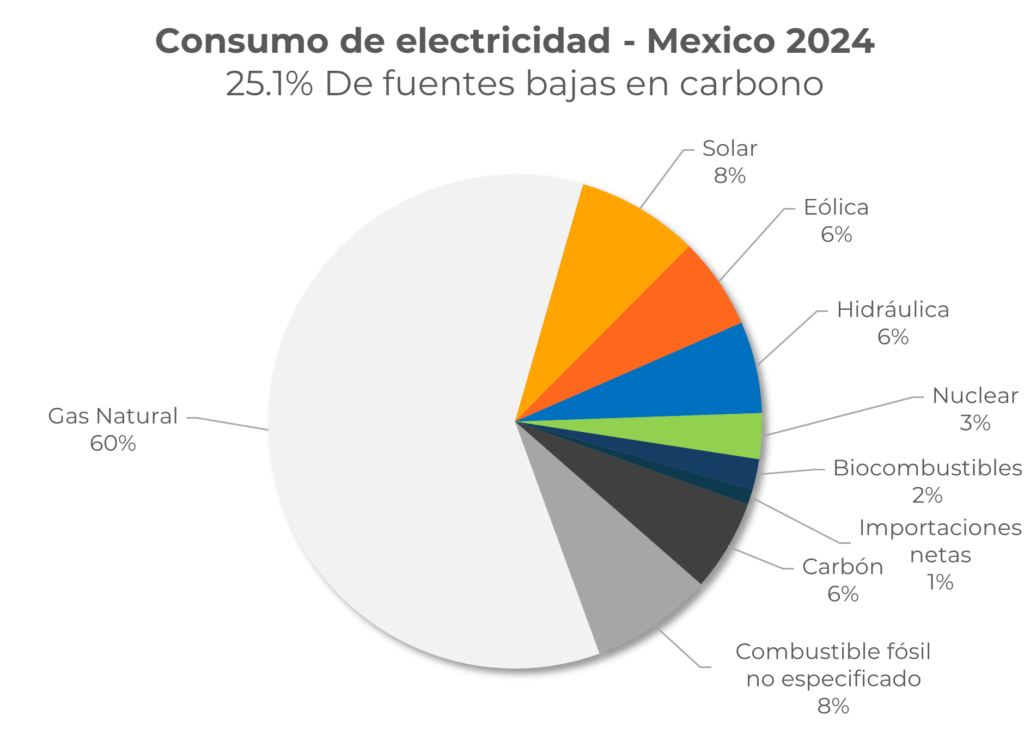
Este crecimiento va en línea con las tendencias de generación a nivel mundial. En 2024, las renovables alcanzaron el 32 % de la electricidad mundial, superando el récord de 2023 del 30 %. La adición de 585 GW a la capacidad global, impulsada principalmente por energía solar (451,9 GW), llevó la capacidad instalada a 4.448 GW. En el plano local, uno de los principales desafíos para el crecimiento de los centros de datos en México es la limitada disponibilidad de fuentes de energías renovables en la matriz eléctrica nacional. Actualmente, más de dos tercios de la electricidad en el país se generan a partir de combustibles fósiles, con el gas natural representando cerca del 60 %. Esta realidad complica el acceso a energía limpia para empresas tecnológicas con compromisos globales de carbono neutralidad, que buscan alimentar sus operaciones exclusivamente con fuentes renovables.

Fuente: https://lowcarbonpower.org/es/region/M%C3%A9xico

La infraestructura energética aún no está completamente alineada con esa demanda. En consecuencia, muchas compañías deben recurrir a soluciones alternativas —como certificados de energía limpia (CEL) o esquemas de autoabastecimiento— para mantener sus estándares ESG sin comprometer sus operaciones.

No obstante, el escenario comienza a cambiar. La Comisión Federal de Electricidad (CFE) ha anunciado una inversión de USD 23.400 millones hacia 2030 para fortalecer las capacidades de generación, transmisión y distribución, con un enfoque relevante en energías renovables. Durante este sexenio, se prevé un aumento de 29.074 MW en capacidad instalada, de los cuales 6.400 MW serán aportados por inversores privados, principalmente en tecnologías limpias.

Este cambio de paradigma energético abre nuevas oportunidades. A medida que la infraestructura renovable crece, también se amplía la posibilidad de ofrecer a la industria —y en particular a los centros de datos— contratos de suministro eléctrico más competitivos, sostenibles y seguros.

Estrategias de suministro inteligente: el rol clave de los PPA limpios

Una de las estrategias más efectivas para asegurar energía limpia, estable y predecible es la firma de contratos de compraventa de energía renovable (PPA, por sus siglas en inglés). Las empresas tecnológicas que operan centros de datos ya representan más del 30 % de la capacidad renovable contratada a través de PPA corporativos a nivel global. Estas cifras reflejan una clara preferencia por contratos que brinden estabilidad de costos, trazabilidad y confiabilidad en el suministro eléctrico, condiciones que las renovables pueden satisfacer.

Atlas Renewable Energy es uno de los actores que lidera este enfoque en América Latina. Con más de 8,4 GW de activos en operación, ha estructurado acuerdos de este tipo a largo plazo con compañías de distintos rubros, incluyendo centros de datos.

A fines de 2024, Atlas anunció la construcción de la planta Draco Solar (579 MWp) en Brasil para abastecer a V.tal y otras industrias. En 2025, firmó un acuerdo con ODATA para suministrar energía 100 % renovable a sus centros de datos en Chile, respaldada por certificación I-REC.

Además, Atlas Renewable Energy ha puesto en marcha recientemente su proyecto BESS del Desierto —el sistema de baterías stand-alone más grande de Latinoamérica— que combina una planta solar con 200 MW de potencia y 800 MWh de capacidad de almacenamiento. Esto permite entregar energía limpia y estable por hasta 4 horas continuas, aportando 280 GWh al año.

A raíz de este megaproyecto, la compañía abastecerá a EMOAC (filial de Copec) con energía limpia por un plazo de 15 años, y gran parte de la energía será destinada a abastecer el transporte público eléctrico, permitiendo operar a unos 2.500 buses eléctricos y más de 27 electrolineras; del mismo modo, proveerá con otro PPA a CODELCO, la principal minera estatal chilena, para suministrar 375 GWh anuales de energía limpia a partir de 2026 durante 15 años.

Con soluciones que integran generación renovable, almacenamiento en baterías y contratos a largo plazo, Atlas Renewable Energy muestra cómo los centros de datos pueden impulsar la innovación energética. Desde la adopción de tecnologías de respaldo limpias hasta el uso de inteligencia artificial para optimizar el consumo, estas instalaciones están elevando los estándares de eficiencia y sostenibilidad en América Latina.

Ante el crecimiento exponencial de los centros de datos, la gran pregunta es cómo asegurar un suministro eléctrico que sea competitivo, confiable y bajo en emisiones. Las energías renovables, apalancadas en PPA con almacenamiento, ofrecen la respuesta más alineada con los objetivos globales de descarbonización, eficiencia operativa y cumplimiento ESG. Actores como Atlas están posicionando a la región no solo como receptora de inversión digital, sino como referente en infraestructura energética resiliente y limpia.

Energía como estrategia: los centros de datos ante una nueva frontera

México está consolidando su liderazgo digital, pero su competitividad futura dependerá de algo más que conectividad y capacidad instalada. En un sector donde la continuidad operativa y la eficiencia energética son esenciales, contar con acceso estable a energía limpia, confiable y escalable se convierte en una condición clave del negocio.

La transición energética no es un reto lateral: es el nuevo eje estructural del desarrollo de los centros de datos. Soluciones como los PPA renovables con almacenamiento, que empresas como Atlas Renewable Energy ya implementan en Latinoamérica, muestran que es posible crecer digitalmente sin comprometer objetivos de carbono ni costos operativos.

Invertir hoy en infraestructura energética inteligente es apostar por la resiliencia, la trazabilidad y el posicionamiento futuro de los centros de datos en un mercado cada vez más exigente. Y México tiene todo para lograrlo.


En Atlas Renewable Energy contamos con un canal de WhatsApp listo para ayudarte. A través de él, puedes obtener respuestas rápidas a tus preguntas. ¡Contáctanos y descubre lo fácil que es conectar con nosotros!


Este artículo fue creado en colaboración con Castleberry Media. En Castleberry Media, estamos dedicados a la sostenibilidad ambiental. Al comprar certificados de carbono para la plantación de árboles, combatimos activamente la deforestación y compensamos nuestras emisiones de CO₂ tres veces más.
BESS del Desierto will be among the largest storage contracts in Chile and the first large-scale independent, standalone Battery Energy Storage System (BESS) and will have a storage capacity of 200 MW and hours.  

The agreement between Atlas Renewable Energy and COPEC, through its energy commercializer, EMOAC, considers storing energy to reinject approximately 3.6 TWh of sustainable energy into the grid at peak demand times for 15 years.

SANTIAGO, MARCH 21, 2024 – Atlas Renewable Energy, an international leader in clean energy generation, marks a new milestone in Chile after signing a power purchase agreement (PPA) for the use of a battery energy storage system with the Chilean company COPEC, through its energy commercializer EMOAC for 15 years.  

BESS del Desierto will be one of the largest energy storage projects in Chile and Latin America, with an installed capacity of 200 MW and four hours and a storage capacity of 800 MWh. The project will allow for the storage of energy during daylight hours and re-injection into the grid during high demand. The battery system will be installed next to Atlas’ Sol del Desierto solar plant, located in the commune of Maria Elena in the Antofagasta region.  

Under this agreement, BESS del Desierto will re-inject around 280 GWh per year to the grid, reducing curtailment of renewable energy generated during the day from solar sources and allowing greater stability and reliability of electricity supply in the region and the country. The project will have a storage capacity similar to 2,500 electric buses used in urban public transportation, equivalent to 500,000 km for these buses. 

BESS del Desierto will be implemented as a standalone battery. This means it is an independent and autonomous solution designed to store electrical energy, allowing the accumulation of energy generated during periods of greater energy supply, contributing to an efficient, continuous and reliable supply.  

“This deal marks our expansion into battery energy storage technology, establishing Atlas as an early adopter in Latin America. It demonstrates our commitment to innovative energy solutions and strengthens our position as a leader in sustainable technology for the region’s energy transition. The BESS del Desierto project is a key part of our strategy to enhance energy reliability in the region through advanced solar resource utilization and offer customized energy solutions to our clients,” said Carlos Barrera, CEO of Atlas Renewable Energy.  

“This agreement aims to address a fundamental issue at the national level, specifically the inappropriate disposal of NCRE. Our approach revolves around innovation, adaptation, and the integration of technology. We firmly believe that this represents a significant solution to the existing challenges within the system and marks another crucial stride towards our dedicated commitment to energy transition,” said Vannia Toro, general manager of EMOAC. 

In just a few years, Atlas Renewable Energy has developed projects in the region with a clear focus on the long-term, both with its commercial partners and at the level of supply to regulated customers. The company has contracted 5,243 MW of renewable energy installed capacity, which contributes to the region’s energy transformation toward cleaner energy sources, and it has now pioneered the implementation and use of battery energy storage systems in Chile after having signed two of the largest deals in the country and Latin America using this technology. The company expects to continue consolidating and expanding to other regions with innovative and sustainable energy projects.  
 

About Atlas Renewable Energy 

Atlas Renewable Energy is an international renewable energy generation company with about 5.6 GW of renewable energy assets, of which 2.7 GW are operational. Atlas has specialized in developing, financing, constructing, and operating renewable energy projects since early 2017. The company has an experienced team with a deep global power market and renewable energy expertise, with the longest track record in the renewable energy industry in Ibero-America. 

The company’s strategy is focused on helping large corporates make the energy transition to clean energy. Atlas Renewable Energy is widely recognized for its high standards in developing, constructing, and operating large-scale projects, as well as its deep and long-standing track record in ESG and sustainable development. 

For more details, please visit: https://es.atlasrenewableenergy.com  

About EMOAC 

Since 2012, EMOAC has been a national leader in Integral Energy Intelligence, providing its clients with energy marketing services and advice on energy projects, as well as monitoring and supply management technologies that enable the digitization of the value chain for its clients. In 2020 EMOAC became COPEC’s 100% renewable energy trader, reaffirming its commitment to sustainability. In 2023 EMOAC became the marketer with the most energy withdrawals registered in the system and with the largest number of free clients certified by the National Electric Coordinator for the use of 100% clean energy, thus reaffirming its commitment to efficiency and sustainability.  


  • With this PPA, Atlas will supply Codelco, the world’s largest copper producer, with nearly 375 GWh/year for 15 years. 
  • Atlas will be developing, constructing and operating a new renewable energy project with an integrated battery energy storage system in Chile. 

SANTIAGO, MARCH 6, 2024 – Atlas Renewable Energy, an international renewable energy leader, has signed a power purchase agreement (PPA) with Codelco, the state-owned Chilean mining company and the world’s largest copper producer, for the supply of 375 GWh of 24/7 energy per year, to be generated by a new renewable energy project in Chile, which will have an integrated battery energy storage system.  

The PPA, which incorporates advanced technology, including the use of batteries, was signed after Codelco held a public tender, to which Atlas was awarded and will start to supply clean, renewable energy in 2026, for the next 15 years.  

Atlas’ pioneering commitment in Chile and the region aims to enhance stability and reliability in electricity supply. This project, incorporating cutting-edge technology and solar energy expertise, marks a breakthrough in Chile, and the region’s energy supply contracts. It also strengthens Atlas’ ongoing efforts to deliver clean energy to the region’s major consumers with competitive solutions. 

“The formalization of this PPA with Codelco, a world-renowned institution in the world’s mining industry, underlines Atlas Renewable Energy’s commitment to develop innovative energy solutions tailored to our customers’ needs. With this project, we formally announce our entry into battery storage technology. We see this as an essential element to materially amplify the volume of renewable energy sources in the power system, and to offer our customers a broader suite of energy solutions. We are determined to be the partner of choice for large corporations looking to make the energy transition, and to do so we will endeavor to continue innovating to find ways to better serve our customer’s needs,” said Carlos Barrera, CEO of Atlas Renewable Energy. 

This agreement demonstrates Codelco’s trust in Atlas, leveraging its proven track record in providing clean energy to the mining sector. Atlas successfully constructed the Javiera Solar Plant in 2015, supplying 161 GWh annually to a significant Chilean mine, and the Lar do Sol Solar Plant in 2023, delivering 540 GWh a year to Anglo American in Brazil.  

About Atlas Renewable Energy 

Atlas Renewable Energy is an international renewable energy generation company that has developed and built about 5 GW of renewable energy assets, of which 2.7 GW are operational. Atlas has specialized in developing, financing, constructing, and operating renewable energy projects by implementing and designing solar, wind and energy storage systems solutions since early 2017. The company has an experienced team with a deep global power market and renewable energy expertise, with the longest track record in the renewable energy industry in Ibero-America.  

The company’s strategy is focused on helping large corporates make the energy transition to 100% clean energy. Atlas Renewable Energy is widely recognized for its high standards in developing, constructing, and operating large-scale projects, as well as its deep and long-standing track record in ESG and sustainable development.  

For more details, please visit: www.AtlasRenewableEnergy.com  

The Shangri-La solar project, initially developed by Rayo Energia and Black Orchid Solar, will be Atlas Renewable Energy’s first solar project in Colombia, with an installed capacity of 201 MWp contributing to its goal of reaching 1 GW of contracted projects in the Andean country.  

BOGOTA, Feb. 22, 2024 – Atlas Renewable Energy, a leading international provider of renewable energy solutions for large consumers, has acquired its first solar project in Colombia, the Shangri-La project, located in the Department of Tolima. The project will generate approximately 403.7 GWh per year and will supply clean energy through a power purchase agreement (PPA) that Atlas has entered into with a leading Colombian company dedicated to the commercialization of this essential public service. Atlas recently entered the project into the reliability charge auction organized by the National Government and attained an award, contributing to the country’s overall installed capacity. 

Once the project comes into operation at the end of 2025, it will be consolidated as one of the largest solar plants in Colombia and the largest solar asset in operation in Tolima. Its energy generation will be equivalent to supplying more than 214 thousand Colombian families with clean and renewable energy annually and will avoid close to 162 thousand tons of CO2 per year. 

“The recent acquisition of the Shangri-La solar project marks an important milestone in our strategic expansion in the Colombian energy market, contributing 201 MWp to our ambitious 1 GW target,” said Ruben Borja, Country Manager of Atlas Renewable Energy in Colombia. “Our commitment to strong in-house development, coupled with a strategic focus on M&A opportunities such as this one, is critical to nurturing our project pipeline and achieving our business objectives. At the same time, we will advance the consolidation of new projects in mature stages of development, which will contribute to closing gaps in the current energy supply-demand environment and play a key role in fostering a just and sustainable energy transition.” 

“We are very pleased and proud to have successfully developed this project, together with Black Orchid Solar, knowing the importance it will have for Colombia’s energy transition. Moreover, it strengthens Rayo’s commitment to Colombia and positions us for our next stage of business development, focusing on providing energy services for Colombian industrial clients,” said Andres Salas, CEO and founder of Rayo.  

Atlas will also implement its proven sustainability strategy, consistently applied in its projects throughout Latin America, to promote sustainable living and drive social and environmental programs. By implementing the Shangri-La solar project, the company aims to promote local employment, incentivize opportunities in the community during construction, and implement social and environmental initiatives, such as Atlas’ flagship “We are part of the same energy” program, which will train community groups in technical skills and mobilize local contractors to be included in its hiring process during construction. The project also plans to launch EdMundo, a social program dedicated to training young students from the local community in STEM and entrepreneurship to empower them to play a central role in their communities. 

About Atlas Renewable Energy 

Atlas Renewable Energy is an international renewable energy generation company that has developed and built about 5 GW of renewable energy assets, of which 2.7 GW are operational. Atlas has specialized in developing, financing, constructing, and operating renewable energy projects by implementing and designing solar, wind and energy storage systems solutions since early 2017. The company has an experienced team with a deep global power market and renewable energy expertise, with the longest track record in the renewable energy industry in Ibero-America. 

The company’s strategy is focused on helping large corporates make the energy transition to 100% clean energy. Atlas Renewable Energy is widely recognized for its high standards in developing, constructing, and operating large-scale projects, as well as its deep and long-standing track record in ESG and sustainable development. 

For more details, please visit: www.AtlasRenewableEnergy.com  

With this partnership, Votorantim Cimentos intends to increase renewable energy consumption in Brazil to 75%, strengthening its decarbonization strategy and increasing its competitiveness.

SAO PAULO, JAN. 15, 2024 – Atlas Renewable Energy, an international leader in providing renewable energy solutions for corporations, and Votorantim Cimentos, a construction materials and sustainable solutions company, have signed a Power Purchase Agreement (PPA) to supply and purchase, respectively, 100 MW of solar energy for the next 15 years. The solar energy provided through this agreement will support the energy needs of Votorantim Cimentos’ production units and distribution centers located in the South, Southeast, and Midwest regions of Brazil.

With the new partnership, the project will be responsible for around a third of Votorantim Cimentos’ energy consumption in the country, equivalent to supplying energy to 424,000 homes. Through the self-production PPA, the company is advancing its decarbonization strategy, which includes renewable energy as one of its strategic pillars.

The new energy generation will come from Atlas’ Luiz Carlos Solar Project, located in the municipality of Paracatu, Minas Gerais, which will have an installed capacity of 787 MWp, of which almost two-thirds (470 MWp) will be destined for Votorantim Cimentos.

“This partnership with Votorantim Cimentos confirms Atlas’ repeated ability to partner with blue chip companies of Latin America’s industrial sector to help them make the energy transition. It also contributes to building Brazil’s sustainable production supply chain powered by clean energy. At the same time, we are proud that our project, Luiz Carlos, will promote Atlas’ best-in-class ESG programs targeting true sustainable development,” said Carlos Barrera, CEO of Atlas Renewable Energy. 

The project is also part of Votorantim Cimentos’ investment portfolio to increase its structural competitiveness, ensuring a better long-term position and sustainable growth.

“This project is an important step in our decarbonization journey and is aligned with Votorantim Cimentos’ 2030 Sustainability Commitments. In all the regions where we operate, our focus is to intensify efficiency and incorporate the use of renewable energy, increasing the volume of self-produced clean energy we consume and, consequently, our competitiveness, generating benefits for society and the planet,” says Álvaro Lorenz, Global Sustainability Director at Votorantim Cimentos.

Luiz Carlos Solar Project

The Luiz Carlos solar project will be located in Paracatu, Minas Gerais, a municipality that is already home to other Atlas solar projects, which will allow the company to continue investing in the development of the region, in environmental and social terms, with an emphasis on hiring local labor.

With the start of construction, Atlas will actively support robust environmental, social, and governance (ESG) programs for sustainable development. Atlas’ flagship program, “We are all part of the same energy,” during the construction of the Boa Sorte Solar Project, located in the same municipality, trained over 300 women from surrounding towns to contribute to the construction of the solar plants. Additionally, Atlas’s award-winning Ed-Mundo program will also be implemented. The program is designed to educate young students from underrepresented communities in programming, IT, robotics and entrepreneurship and empower them to play a central role in social transformation, creating job opportunities and additional sources of income for their communities and families.

INVESTMENTS IN DECARBONIZATION 

Votorantim Cimentos’ goal is to have 45% of the energy consumed globally come from renewable sources by 2030. With this new project, 75% of the energy consumed by the company in Brazil will come from clean sources.

Since its foundation, Votorantim Cimentos has always been concerned with generating its own energy for the production of its plants. In the state of Bahia, the company operates the concession for the 160-megawatt Pedra do Cavalo Hydroelectric Plant, as well as owning four Small Hydroelectric Plants (SHPs) in other locations and participating in the Machadinho Hydroelectric Plant (HPP) consortium in southern Brazil. In 2022, it also signed an agreement with Auren to build a wind farm in the northeast of Brazil, with a capacity of 220 megawatts, which went into operation in early 2023, adding 55 average MW of renewable energy to its portfolio.

The conclusion of the agreement still depends on the usual conditions for operations of this nature, including the approval of the Administrative Council for Economic Defense (CADE).

About Atlas Renewable Energy

Atlas Renewable Energy is an international renewable energy generation company that has developed and built about 5.2 GW of renewable energy assets, of which 2.3 GW are operational. Atlas has specialized in developing, financing, constructing, and operating renewable energy projects since early 2017. The company has an experienced team with a deep global power market and renewable energy expertise, with the longest track record in the renewable energy industry in Ibero-America.

The company’s strategy is focused on helping large corporates make the energy transition to 100% clean energy. Atlas Renewable Energy is widely recognized for its high standards in developing, constructing, and operating large-scale projects, as well as its deep and long-standing track record in ESG and sustainable development.

 For more details, please visit: https://es.atlasrenewableenergy.com

About Votorantim Cimentos   

Votorantim Cimentos is a construction materials and sustainable solutions company with more than 13,000 employees. The portfolio of construction materials goes beyond cement and includes concrete, mortar and aggregates. The company also operates in the areas of agricultural inputs, waste management and co-processing. Votorantim Cimentos units are strategically close to the most important growing consumer markets and are present in ten countries in addition to Brazil: Argentina, Bolivia, Canada, Spain, the United States, Luxembourg, Morocco, Tunisia, Turkey and Uruguay. More information at www.votorantimcimentos.com.br  

The USD 447.8 million loan, the largest ever renewable energy USD loan by BNDES, will help Atlas Renewable Energy build the Vista Alegre Solar Plant.

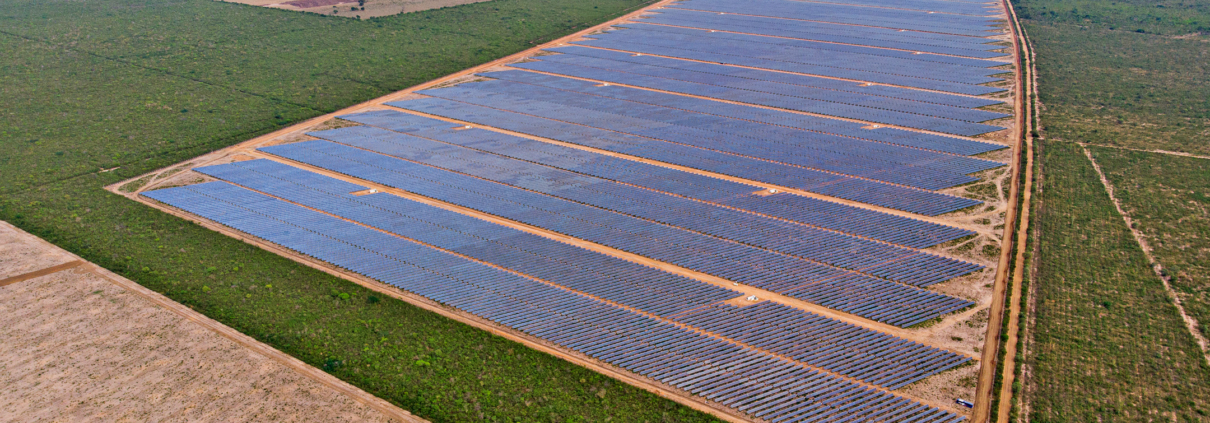
SAO PAULO, NOV. 29, 2023 – Atlas Renewable Energy, international developer and one of the largest and fastest-growing independent power producers (IPP) in Latin America, secured a USD447.8 million (equivalent to R$2,18 billion) loan from the Brazilian development bank (BNDES), the bank’s largest renewable energy US Dollar loan to date, to build the Vista Alegre Solar Plant. With an installed capacity of 902 MWp, equivalent to 768 MWac, the plant will produce an average of 200 MW or 2TWh annually, preventing 2.4 million tons of CO2 during its 20-year operation – equivalent to producing enough power to supply over 3 million people.

Vista Alegre, the largest solar project to be built in a single phase in Brazil, will supply electricity to Albras for 21 years through a power purchase agreement (PPA). The financing marks the second collaboration between the BNDES and Atlas, following the successful financing of the Boa Sorte Solar Power Plant (438 MWp), another joint venture with Albras, which will also supply clean energy for aluminum production. Vista Alegre allows Atlas to continue positioning itself as a leader in US dollar PPAs for large energy consumers in Brazil. Construction began in 2023 and the project is set to start supplying clean energy to Albras by 2025.

“We are incredibly proud of this project that becomes an instant symbol in Brazil and Latin America of the significant progress that can be made in advancing the energy transition with the help of local financing partners. We would like to thank BNDES for their support and trust in offering Atlas Renewable Energy the largest-ever US Dollar loan they have ever granted for a renewable energy project. We are equally proud that Vista Alegre will incorporate the best ESG practices of the industry, incorporating powerful social programs that advocate for, support and empower the local community,” said Carlos Barrera, CEO of Atlas Renewable Energy.

The solar project, which will generate more than 2,500 jobs during its construction phase, will continue to promote best-in-class ESG practices through strong project execution to provide long-term benefits to the surrounding communities during the construction and operation phases. Atlas will implement its flagship social program, ‘We are all part of the same energy,’ to promote diversity and inclusion in the construction of its renewable energy projects by upskilling local women to increase their participation to at least 15%. Atlas will also implement its award-winning Ed-Mundo program, which aims to train young students in programming, IT, robotics and entrepreneurship in underprivileged communities. The program enables students to become protagonists of social transformation by generating work opportunities and other sources of income for their communities.

About Atlas Renewable Energy

Atlas Renewable Energy is an international renewable energy generation company with over 4 GW of contracted projects, of which 2.2 GW are operational. Atlas has specialized in developing, financing, constructing, and operating renewable energy projects since early 2017. The company has an experienced team with a deep global power market and renewable energy expertise, with the longest track record in the renewable energy industry in Ibero-America.

The company’s strategy is focused on helping large corporates make the energy transition to 100% clean energy. Atlas Renewable Energy is widely recognized for its high standards in developing, constructing, and operating large-scale projects, as well as its deep and long-standing track record in ESG and sustainable development.

For more details, please visit: https://es.atlasrenewableenergy.com

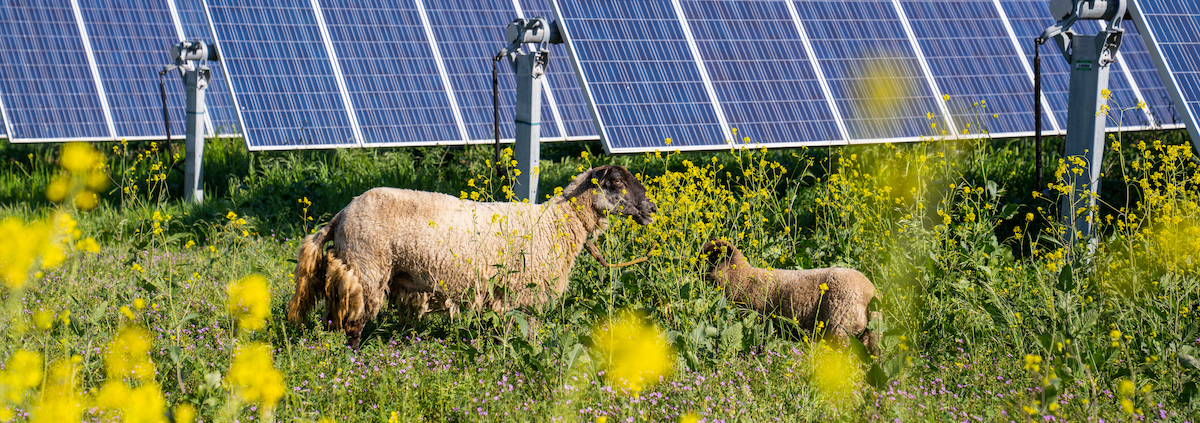
  • The company implemented the solar grazing technique as a pilot plan in a limited area where new technologies and initiatives of the Quilapilun photovoltaic plant, located in the Metropolitan Region of Chile, are tested, generating shared value and promoting the development of a circular economy.
  • This technique will allow controlling the growth of grass in a natural way, reducing the use of machinery for its maintenance and, at the same time, will support the nutrition of local livestock, which has seen its feed reduced due to the country’s historic drought.

Santiago, Oct. 15, 2023 – Quilapilun, the first large-scale solar power plant located in Chile’s Metropolitan Region, owned by Atlas Renewable Energy, has implemented a pilot program with the solar grazing technique to expand its contribution to the sustainable development of the territory, since the activity has been affected in the area due to the water shortage that is being experienced in Chile. 

In the context of the great drought affecting the country, the company identified an important reserve of vegetation and grass in an area of the photovoltaic park, and this is how the idea of supporting the community near Quilapilun by helping sheep grazing arose. The initiative is being developed in an area of 80 hectares, in a fenced sector separated from the rest of the project.

By means of “solar grazing” a sustainable solution that Atlas had already implemented previously in plants in Uruguay, the flock of twenty sheep is fed daily in this area, taking advantage of the grass and vegetation available. This action undoubtedly generates shared value between the community and the company, providing food for the animals and generating a natural method of vegetation control, contributing to the maintenance processes of this area in the solar plant.

To have control and security of the sheep, the pilot plan is being carried out in a remote area of the plant where Atlas carries out innovation and development activities to test initiatives that will later be used in its projects since it is a fenced area, which allows to minimize vehicle traffic. It is estimated that the project will remain active until December of this year as long as the availability of the turf permits. At the end of the project, the continuity of this pilot plan will be evaluated to continue generating shared value and promoting the development of the circular economy.

About Atlas Renewable Energy

Atlas Renewable Energy is an international 100% renewable energy generation company that develops, builds, finances and operates clean energy projects in Latin America. It has more than 4 GW of contracted projects, of which 2.2 GW are currently in operation, making it one of the largest solar power producers in the region.

It currently has three large-scale solar projects in Chile. Javiera, located in the Atacama Region, generates 161 GWh yearly. Quilapilun, located in the Metropolitan Region, generates 243 GWh yearly, and Sol del Desierto, located in the Antofagasta Region, generates 714 GWh yearly. The company is developing its first wind portfolio in south Chile (ALPACA), adding another 417 MW of clean energy for Chile.

In each project, the company seeks to be an ally in the territories where they intend to develop through an early relationship with the communities, promoting dialogue, participation and social investment. In addition, the company is committed to promoting international best practices in terms of environmental care and supporting communities to create shared value through capacity building and creating programs that support community development.

For more information about Atlas Renewable Energy, visit: www.AtlasRenewableEnergy.com

Atlas’ social initiative to promote STEM education in rural communities in Brazil, Ed-Mundo, has been recognized by IJGlobal’s ESG Awards and GRI Infra Awards for the program’s commitment to community development.

SAO PAULO, NOV. 9, 2023 – Atlas Renewable Energy, an international developer and one of the largest and fastest-growing independent power producers (IPP) in Latin America, was awarded two major industry awards for its implementation of the Ed-Mundo social program. The program was awarded GRI Infra’s Community Award for Development of Communities and IJGlobal’s ESG Social Award.

The GRI Infra Awards, in its second edition in Brazil, highlighted projects aligned with the United Nations Sustainable Development Goals, focusing on excellence, innovation and positive social and environmental impact. Simultaneously,  IJGlobal’s ESG Social Award, now in its third year, acknowledged organizations, transactions and individuals who excelled in environmental, social and governance aspects. Judges from IJGlobal commended Atlas for its innovative approach to renewable energy financing, emphasizing its significant positive contributions to local communities, the environment and the clean energy transition in Latin America.

The Ed-Mundo program allows students to become protagonists in social transformation and generate work and income for the community by learning programming, IT, robotics and entrepreneurship. Five classes have already been formed, with 64 students enrolled and an attendance rate of over 75%. Out of all the students, 49% are girls seeking opportunities in technology careers. The methodologies used in the project make it possible to set up qualified programming centers in public schools, developing the capacity for entrepreneurship in the IT sector and preparing young people for this market.

“This recognition confirms that we are on the right track when we develop projects which aim to leave a social legacy for the communities around our operations. Ed-Mundo isn’t just about training. It’s a tool capable of expanding young people’s horizons, of showing them paths they didn’t yet know about,” said Fernanda Abreu, Head of ESG at Atlas Renewable Energy.

Atlas Renewable Energy is committed to creating a brighter and more just future by equipping young people with the tools they need to thrive in the modern world.

About Atlas Renewable Energy

Atlas Renewable Energy is an international renewable energy generation company with over 4 GW of contracted projects, of which 2.2 GW are operational. Atlas has specialized in developing, financing, constructing, and operating renewable energy projects since early 2017. The company has an experienced team with a deep global power market and renewable energy expertise, with the longest track record in the renewable energy industry in Ibero-America.

The company’s strategy is focused on helping large corporates make the energy transition to 100% clean energy. Atlas Renewable Energy is widely recognized for its high standards in developing, constructing, and operating large-scale projects, as well as its deep and long-standing track record in ESG and sustainable development.

For more details, please visit: https://es.atlasrenewableenergy.com/

Atlas reaches agreement to sell five operating solar plants to Engie Brasil Energia while significantly increasing its investments as part of its growth strategy in the country.

Sao Paulo, October 30, 2023 – As part of its focused growth strategy in Brazil, Atlas Renewable Energy, a leading renewable energy company in Latin America, reached an important milestone through a portfolio rotation initiatives by agreeing to the sale of a portfolio of operating assets with Engie Brasil Energia Complementares Participações, a company that is part of the Engie Group in Brazil. The operating portfolio includes solar power assets, namely, Juazeiro, Sao Pedro, Sol do Futuro, Sertao Solar, and Lar do Sol, with a combined installed capacity of 545 MW and located across the states of Bahia, Ceara and Minas Gerais.

With the R$ 3.5 billion transaction, the company will look to reinvest in developing new renewable projects in the country for a diversified group of customers under innovative structures, strengthening Atlas’ long-term positioning in the region. After the transaction, Atlas will still hold a portfolio of more than 1.8 GW of installed capacity in Brazil. This includes two photovoltaic parks under construction in the state of Minas Gerais, including the largest solar plant in Latin America, and two other projects already in operation. In addition, the company has a portfolio of more than 15 GW of sustainable energy, including solar and wind, in various stages of development in Brazil.

“Atlas is growing significantly in Brazil, and this transaction will allow us to develop more projects in the country. The country continues to be one of Atlas’ core markets, with a continued focus on developing customized renewable energy solutions for customers across different sectors of the national economy,” says Fabio Bortoluzo, country manager of Atlas Renewable Energy in Brazil.

The transaction’s closing is subject to the satisfaction of certain precedent conditions negotiated between the parties, including the approval of the Administrative Council for Economic Defense (CADE, for its acronym in Portuguese), among other customary conditions for transactions of this nature.

About Atlas Renewable Energy 

Atlas Renewable Energy is an international renewable energy generation company that has developed and built over 4 GW of contracted projects, of which 2.2 GW are operational. Atlas has specialized in developing, financing, constructing, and operating renewable energy projects throughout the Americas since early 2017. The company includes an experienced team with a deep global power market and renewable energy expertise, with the longest track record in the renewable energy industry in the Americas and Europe. 

The company’s strategy is focused on helping large corporates make the energy transition to 100% clean energy. Atlas Renewable Energy is widely recognized for its high standards in the development, construction, and operation of large-scale projects, as well as a deep and long-standing track record in ESG and sustainable development. For more information, visit: www.AtlasRenewableEnergy.com